What Time It Is?
The Story
The conversation explores the concept of recognizing and responding to the changing seasons of life, highlighting the challenges and misconceptions associated with fear, procrastination, and waiting. It emphasizes the transition from preparation to action and the responsibility of the current season.
Takeaways
- Recognize the season you're in
- Transition from preparation to action
Chapters
- 00:00 Recognizing the Season
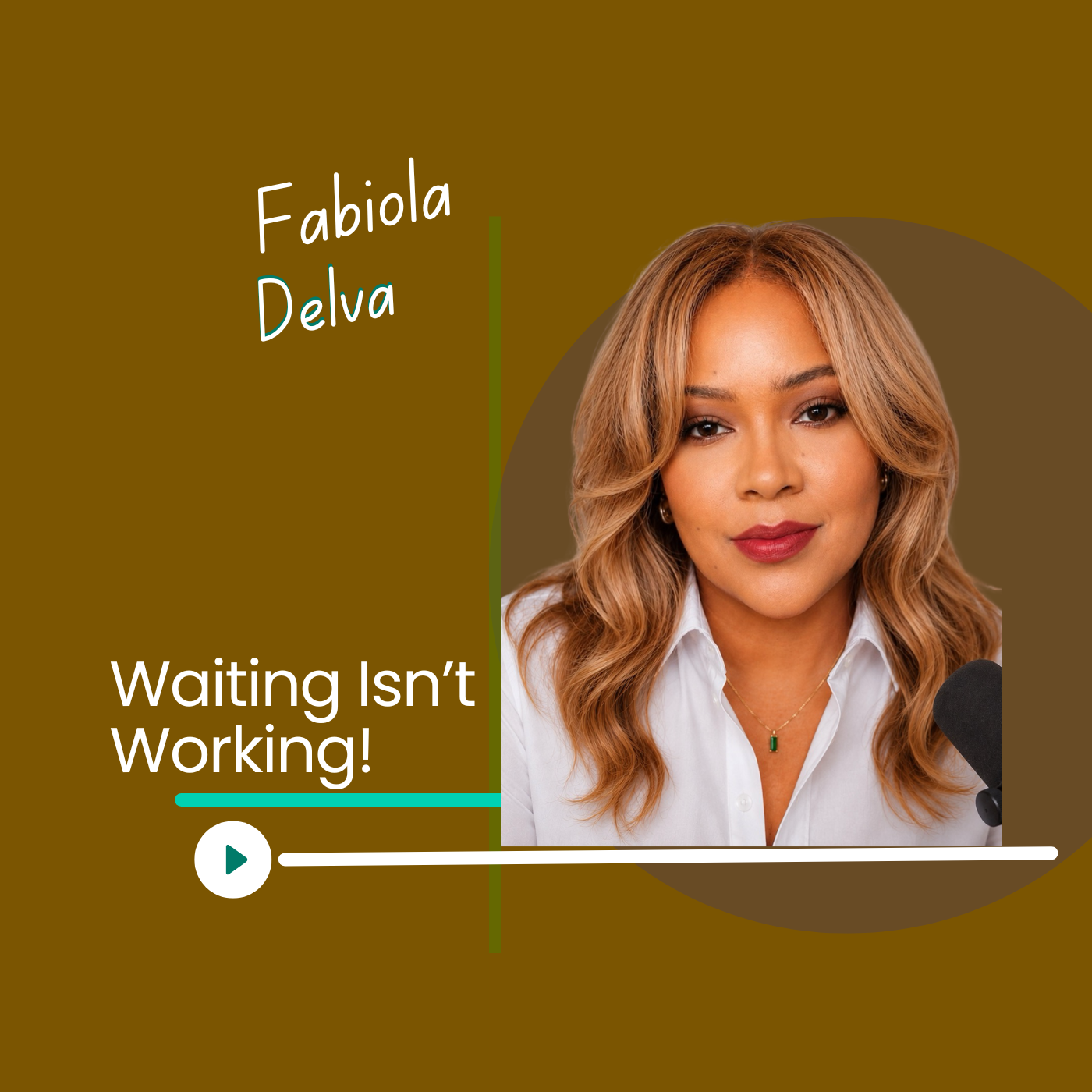
Fabiola Delva: The question for you. What time is it? Not on your watch. Not on your phone. In your life. Because one of the reasons we get stuck is that we keep applying old instruction to new seasons. We keep preparing for opportunities that has already arrived. We keep asking for signs after the answer has already been given. We keep negotiating with decisions that have already been made. And then we wonder why nothing moves. Maybe nothing is moving because the season changed and we didn't. One of the most difficult things about life is that seasons rarely announce themselves. There is no calendar notification. No email. No text messages. No voice from the sky. Congratulations You have entered the new chapter. Most of the time decision change quietly. A conversation changes, the desire changes, a burden changes. What once excited you no longer does sounds familiar? What once frightened you suddenly feels necessary. If you're not paying attention, you can spend years. Leaving by instruction that belong to a version of you that no longer exists. So as we move into season two, it feels like a good reminder to tell you some of the things that we've been talking about all along. Fear, procrastination, waiting. Not because these things are always obvious, but because they rarely introduce themselves. Fear often call itself caution. Procrastination often call itself preparation. Waiting often call itself wisdom. And if we're not paying attention, we can spend years calling something by the long name. We can convince ourselves that we are preparing when we are really postponing. We can in fact convince ourselves that we are being patient when we are really avoiding. We can convince ourselves that we are seeking clarity. When clarity has already arrived, it's simply waiting for a response from you. So it's not whether you have enough information, not whether you are capable. Not whether you have potential that you have. But it is whether you are willing to answer to the season you are in. Because there comes a moment when preparation becomes avoidance, when research becomes delay, when caution becomes fear, when waiting becomes a habit, when the very thing that protected you in one season somehow become imprisonment, planning is valuable until it becomes procrastination. Patient is a valuable until it becomes delay. Caution is also valuable until it becomes fear. Eventually, life asks you a question that no amount of preparation can answer. Will you move? Not when you feel ready. Not when everything is perfect. Not when every question has been answered. Will you move now? Maybe the season is asking something different from you. Maybe it is no longer a season to prepare. Maybe it is a season to participate. Maybe this is no longer the season to think about it. Maybe this is the season to become it. Because every season carries a responsibility, and the responsibility for this season may simply be to answer, to stop negotiating, to stop waiting, to stop asking for permission. And to respond to what is already calling your name. So I ask you again, what time is it? Not on your watch. Not on your phone either, in your life. Because when you know what season you're in, you know what to do. And when you know what to do, waiting no longer makes sense.
 Apple Podcasts
 Castbox
 Castro
 Goodpods
 Moon FM
 Overcast
 Pocket Casts
 Podbean
 Podcast Addict
 Podcast Republic
 Spotify